October 19, 2026
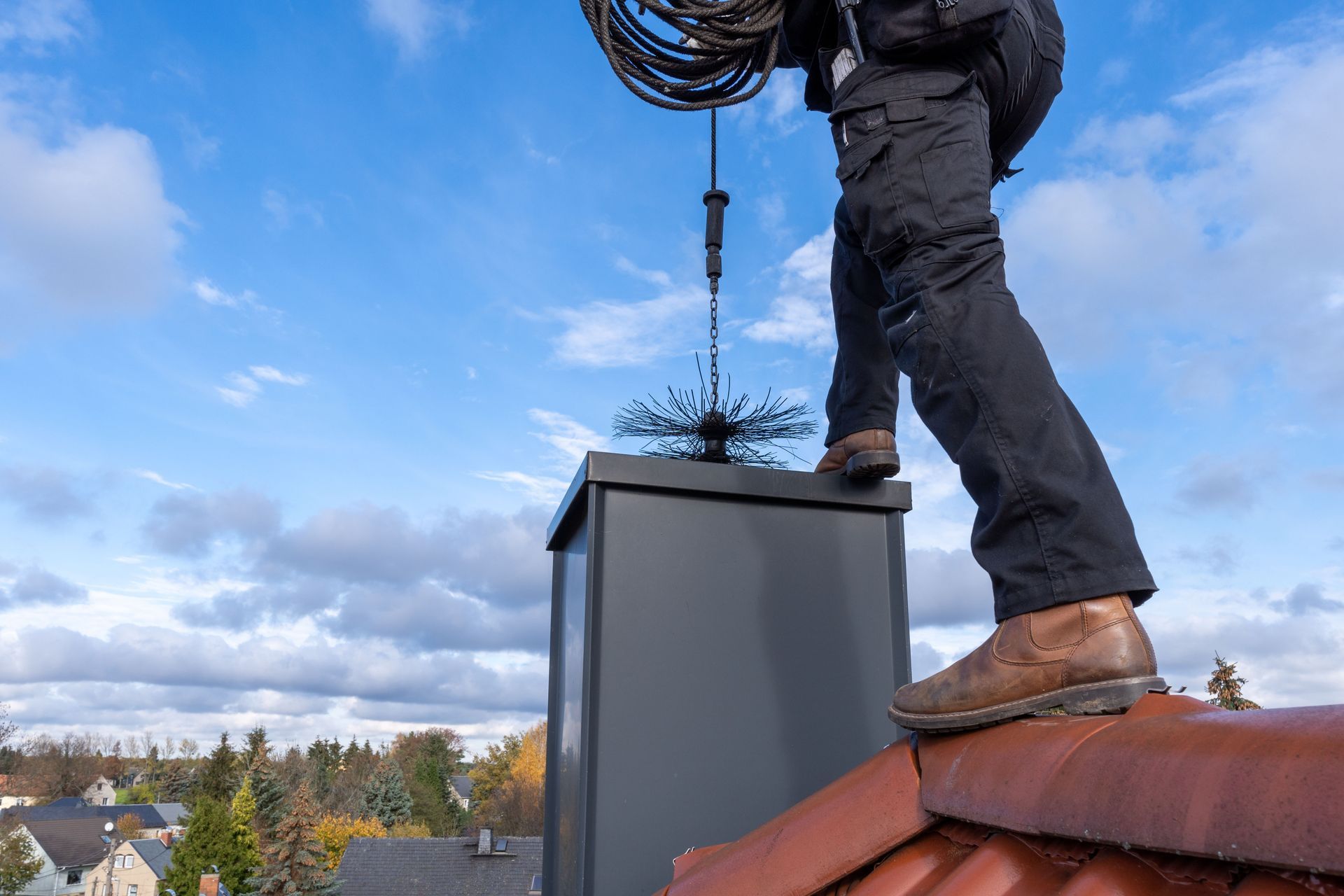
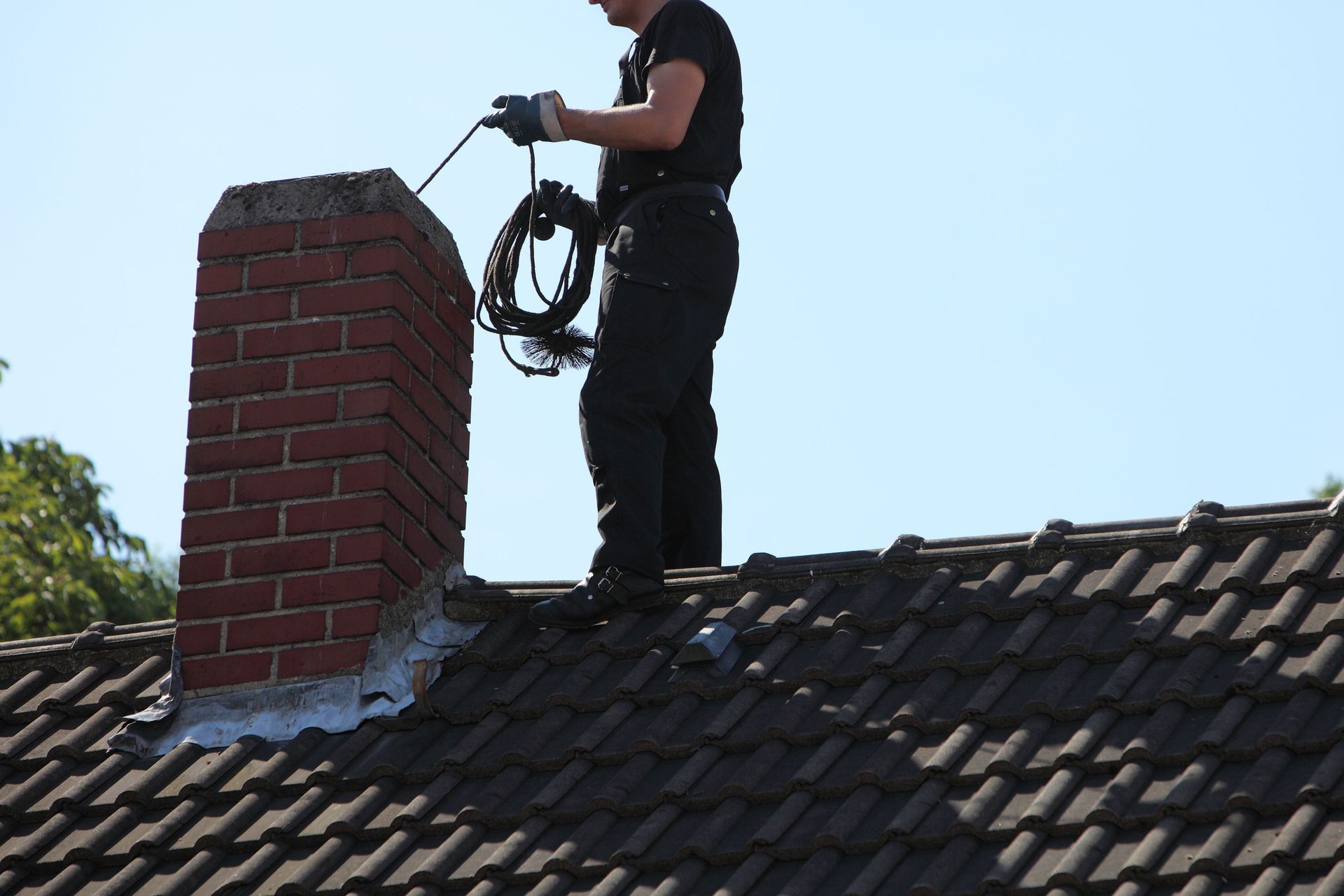
A chimney plays an important role in keeping a home comfortable during colder months. It helps direct smoke and combustion gases away from indoor spaces when a fireplace is in use. Over time, soot, debris, and other materials can collect inside the chimney, affecting how well it works and creating safety concerns. Understanding the benefits of chimney sweeping can help property owners recognize the importance of routine chimney care. From reducing fire risks to improving airflow and protecting indoor air quality, regular maintenance supports a safer and more comfortable home. This article explains how chimney care helps protect your property, which warning signs to watch for, and why seeking professional help is important.
Removing Debris and Blockages
Leaves, twigs, animal nests, and other debris can collect inside a chimney and interfere with its normal function. These obstructions may restrict airflow, cause smoke to enter the home, and make fireplace use less safe. Debris can also accumulate when a chimney remains unused for long periods, making regular inspections important even when the fireplace is used occasionally. Weather conditions and nearby trees can increase the amount of debris entering the chimney over time. Professional chimney maintenance helps identify and remove blockages before they create larger problems. An inspection can also reveal signs of animal activity or damage that may affect the chimney's condition. Addressing these concerns promptly helps maintain proper ventilation, reduce smoke problems, and support safer fireplace operation throughout the year.
Reducing Fire Risks
One of the main reasons to schedule regular chimney maintenance is to reduce the risk of a chimney fire. Burning wood produces smoke and byproducts that can stick to the chimney walls over time. One common byproduct is creosote, a dark, flammable substance that can increase fire risks when it builds up. Heavy deposits can become especially dangerous when exposed to high temperatures or sparks. Regular chimney sweeping helps remove soot and creosote before they cause more serious problems. A professional can assess the buildup and identify issues that may need attention. Cleaning frequency depends on fireplace use, the type of fuel burned, and the chimney's condition. Scheduling maintenance before the heating season helps address potential hazards before regular fireplace use begins and supports safer operation throughout the colder months.
Improving Airflow
A chimney needs a clear passage to carry smoke and combustion gases out of the home. When soot, leaves, animal nests, or other debris block the passage, smoke may enter living spaces, creating unpleasant odors and discomfort. Restricted airflow can also affect how efficiently a fire burns, leading to excess smoke and residue. Routine chimney sweeping helps remove materials that interfere with airflow. During an inspection, a professional can also identify obstructions, damaged components, and other issues that cleaning alone may not resolve. Proper ventilation helps the fireplace operate as intended and directs combustion byproducts away from indoor spaces. If smoke repeatedly enters a room or the fireplace produces unusual amounts of smoke, seeking professional help can identify the cause and determine what needs attention before further use.
Protecting Indoor Air Quality
The condition of a fireplace and chimney can affect indoor air quality. When smoke and combustion gases do not vent properly, they may enter living spaces, causing unpleasant odors and irritation. Soot, creosote, moisture, and animal activity can also contribute to lingering chimney smells. Regular cleaning helps remove residue and debris while supporting proper ventilation. However, cleaning alone cannot correct every problem. Damaged components or venting issues may require further attention. Carbon monoxide is another concern in homes with fireplaces or fuel-burning appliances. This odorless gas cannot be detected through the senses, making proper venting, regular inspections, and working carbon monoxide alarms important for household safety. Maintaining the chimney is a key part of protecting indoor air quality, especially during colder months when fireplaces see more use.
Preventing Structural Damage
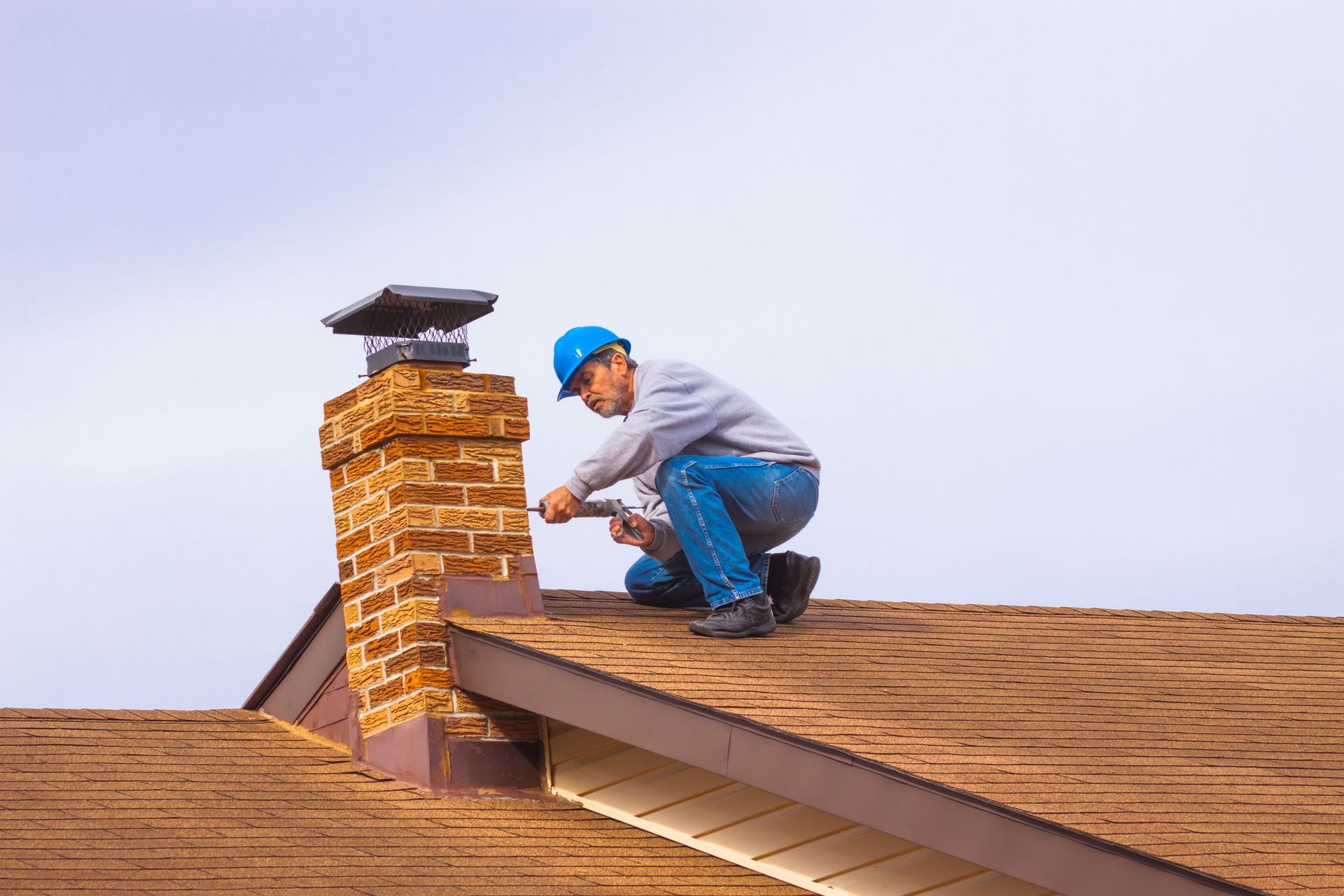
Chimneys face regular exposure to heat, moisture, temperature changes, and outdoor weather. Over time, these conditions can wear down masonry, mortar joints, liners, and other components. Small defects may allow moisture inside, leading to more extensive damage. Water can weaken building materials and create problems that spread beyond the chimney if left unaddressed. Rain and melting snow can enter through damaged areas, while repeated freezing and thawing may cause cracks and loose masonry. These problems can also affect nearby walls and ceilings. Routine maintenance and inspections help identify signs of deterioration before they worsen. Warning signs include crumbling mortar, visible cracks, water stains, and loose masonry in the fireplace. Seeking professional help when these issues appear can limit further damage and reduce the risk of costly repairs.
Preparing for Colder Weather
Chimneys often see more use during fall and winter as temperatures drop. Scheduling maintenance before the coldest months allows time for cleaning, inspections, and necessary repairs. Leaves, nesting materials, and other debris may also collect while the chimney is not in use, potentially affecting airflow when the fireplace is needed. According to the National Fire Protection Association, proactive chimney care before the three-month peak winter period from December through February ensures your home stays warm and efficient all season long. Preparing early helps address potential problems before regular fireplace use begins and reduces the chance of unexpected interruptions during colder weather. The right maintenance schedule depends on the chimney's condition and frequency of use. Following professional recommendations and including chimney care in seasonal preparations can help keep the system working properly throughout the colder months.
Recognizing Warning Signs
Recognizing changes in chimney performance can help address potential problems before they become more serious. Unusual odors, visible damage, and changes in fireplace performance may indicate that maintenance is needed. A persistent smoky or tar-like smell may point to creosote buildup, moisture, or debris. Smoke entering the living space can indicate an airflow problem or blockage, while heavy soot deposits around the fireplace opening may suggest residue buildup. Scratching sounds may indicate animal activity, and cracks, loose bricks, or crumbling mortar can signal structural damage. These warning signs can have different causes, so a professional assessment can help identify the problem and determine the next steps. If a chimney shows signs of blockage, smoke leakage, or damage, avoid using the fireplace until it has been assessed. Prompt attention can reduce safety risks and prevent further deterioration.
Maintaining Long-Term Performance
Regular chimney care supports the fireplace's long-term function and protects the surrounding structure. Soot, creosote, moisture, and damage can affect performance over time, making routine maintenance important. Addressing these concerns helps identify problems before they become more difficult to manage. Chimney sweeping removes accumulated deposits, while inspections help identify damage, blockages, and other issues that may require repairs. Keeping records of maintenance dates also helps track past concerns and plan future appointments. A consistent maintenance routine can preserve the chimney's condition, support proper airflow, and keep the fireplace ready for seasonal use.
A well-maintained chimney supports fireplace safety, proper ventilation, and the condition of your home. Regular cleaning and inspections help identify fire hazards, airflow problems, and other concerns before they worsen. Preparing before colder weather and addressing warning signs promptly can help prevent larger problems. For help with maintaining your chimney, contact Barry John Chimney Services Inc to schedule professional chimney sweeping and prepare your fireplace for the colder months.