November 19, 2026
As temperatures start to plummet, ensuring that your chimney is ready for winter is crucial for both safety and comfort. This article delves into how professional chimney services can prepare your home for the coming cold months, offering peace of mind as you cozy up by the fire.
Conducting Thorough Pre-Winter Chimney Inspections and Assessments
Performing Detailed Visual Exterior and Interior Inspections
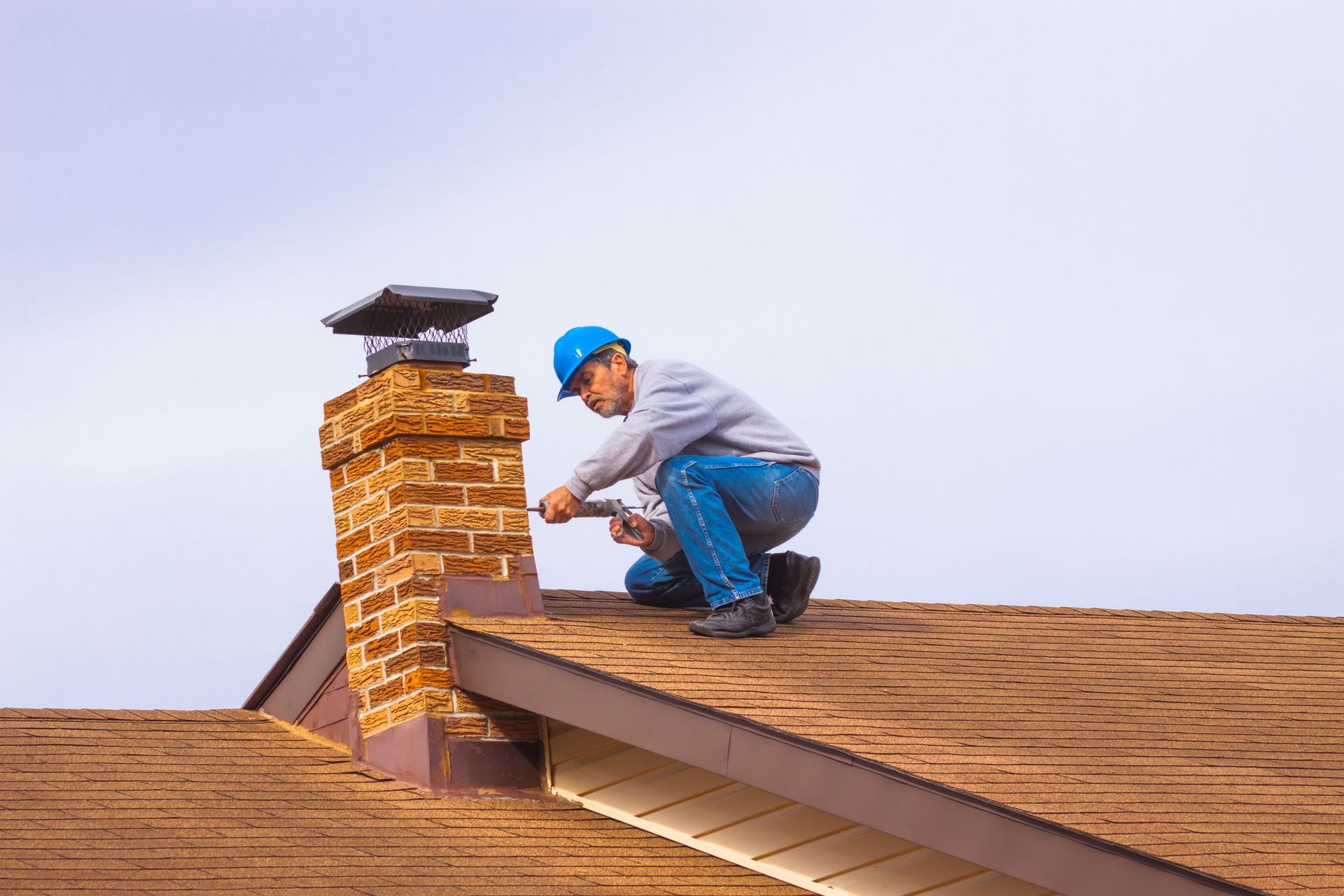
Before winter settles in, a thorough visual inspection of your chimney is essential. These inspections identify visible signs of wear and tear such as cracks, loose bricks, or moisture damage. A chimney technician examines both the exterior and interior, ensuring that any potential hazards are addressed. Without this, the integrity of the chimney could be compromised, posing a serious risk during the burning season. Regular visual assessments can preemptively identify problems, preventing costly repairs down the line.
Running High-Resolution Internal Flue Camera Scans
Modern technology has revolutionized the way chimneys are inspected. Internal camera scans offer an in-depth look at a chimney's interior, revealing hidden issues that aren't visible to the naked eye. These cameras snake through the chimney system, providing video and photographic evidence of the chimney's condition. Problems such as blockages, internal cracks, and excessive creosote buildup can be effectively identified with this technology. Relying on modern chimney services for video diagnostics catches hidden issues before they cause inefficient operation or serious fire risks.
Testing Fireplace Airflow and Proper Draft Performance
Ensuring proper airflow and draft is critical for optimal chimney performance. A chimney's draft allows smoke and combustion gases to exit efficiently, minimizing indoor air pollution risks. During the inspection process, technicians measure the draft and identify obstructions that could restrict airflow. Factors such as structural issues or excess debris can severely impact a chimney's draft. This evaluation step ensures that, once the fireplace is in use, harmful gases are effectively vented outside, protecting indoor air quality.
Airflow issues are a common concern due to blockages by bird nests, leaves, or other debris. Through careful examination and adjustments, these obstructions can be removed, optimizing the chimney's functionality. According to HomeGuide, a chimney sweep takes one to two hours on average, during which this comprehensive evaluation occurs. This methodical approach provides the homeowner with confidence that the fireplace will perform optimally throughout winter. Emphasizing accurate testing and repairs, chimney professionals ensure safety and warmth during those chilly months.
Evaluating Masonry Mortar and Structural Flue Integrity
A vital part of preparing a chimney for winter involves assessing its structural integrity. The foundation of a safe and efficient chimney lies in its construction, which must withstand the rigors of intense weather conditions. Technicians meticulously examine the mortar joints, bricks, and chimney liner for any signs of damage. Cracked or missing mortar, spalled bricks, and flue deterioration all indicate the need for repair. Fixing such issues before they worsen ensures the chimney remains sturdy against the elements, providing reliable service.
Delivering Comprehensive Inspection Reports and Repair Recommendations
After completing a thorough assessment, chimney technicians provide a detailed report. This documentation covers all findings, categorizing them by urgency and severity. Recommendations are made on necessary repairs or maintenance to ensure that specific issues are addressed efficiently. Homeowners receive a clear roadmap, understanding which actions are critical for safety and which may be planned for future seasons. Scheduling annual chimney services equips homeowners with a valuable tool for maintaining the safety and efficiency of heating appliances.
Executing Essential Chimney Cleaning and Preventative Maintenance
Removing Dangerous Flammable Creosote Buildup from Flues
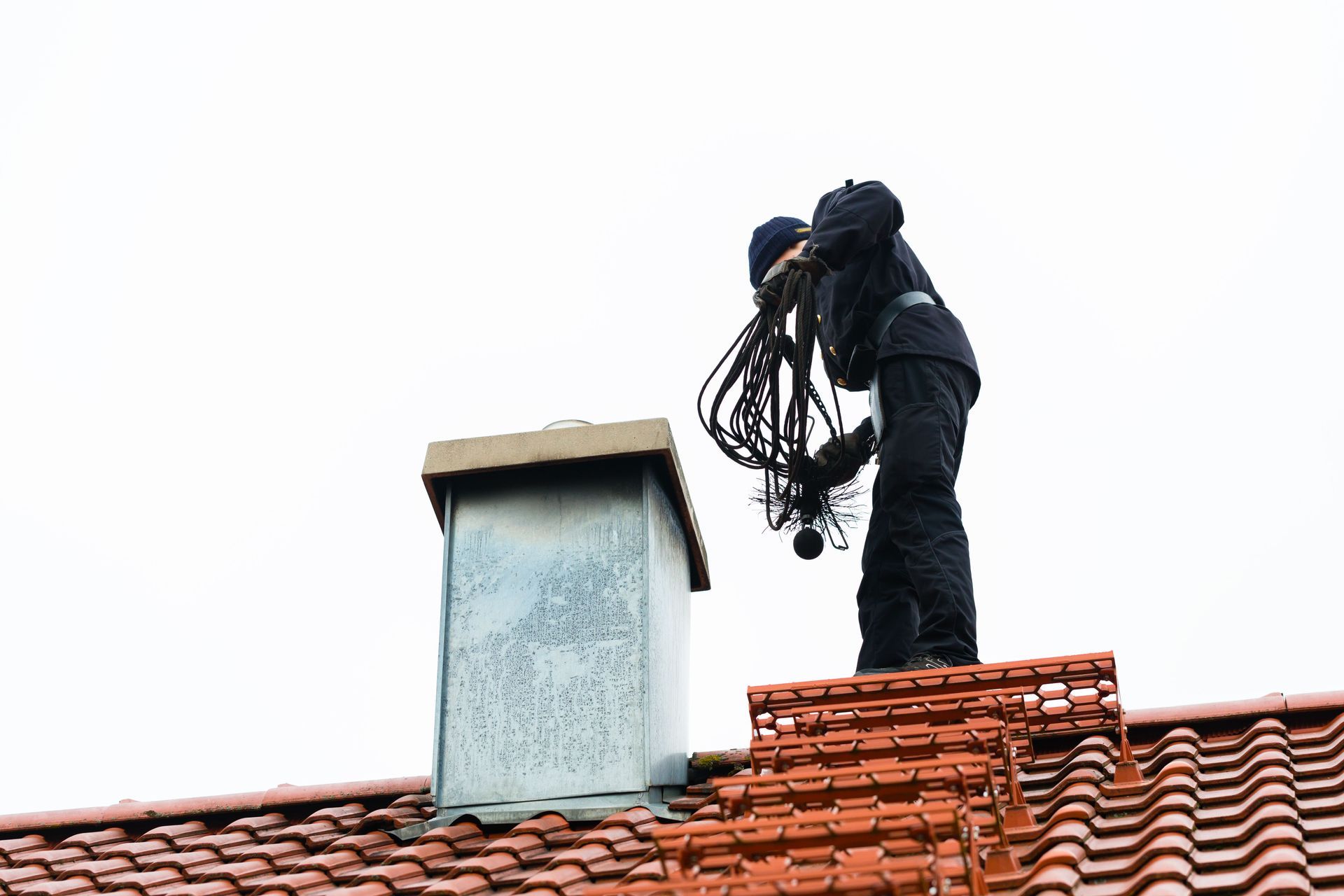
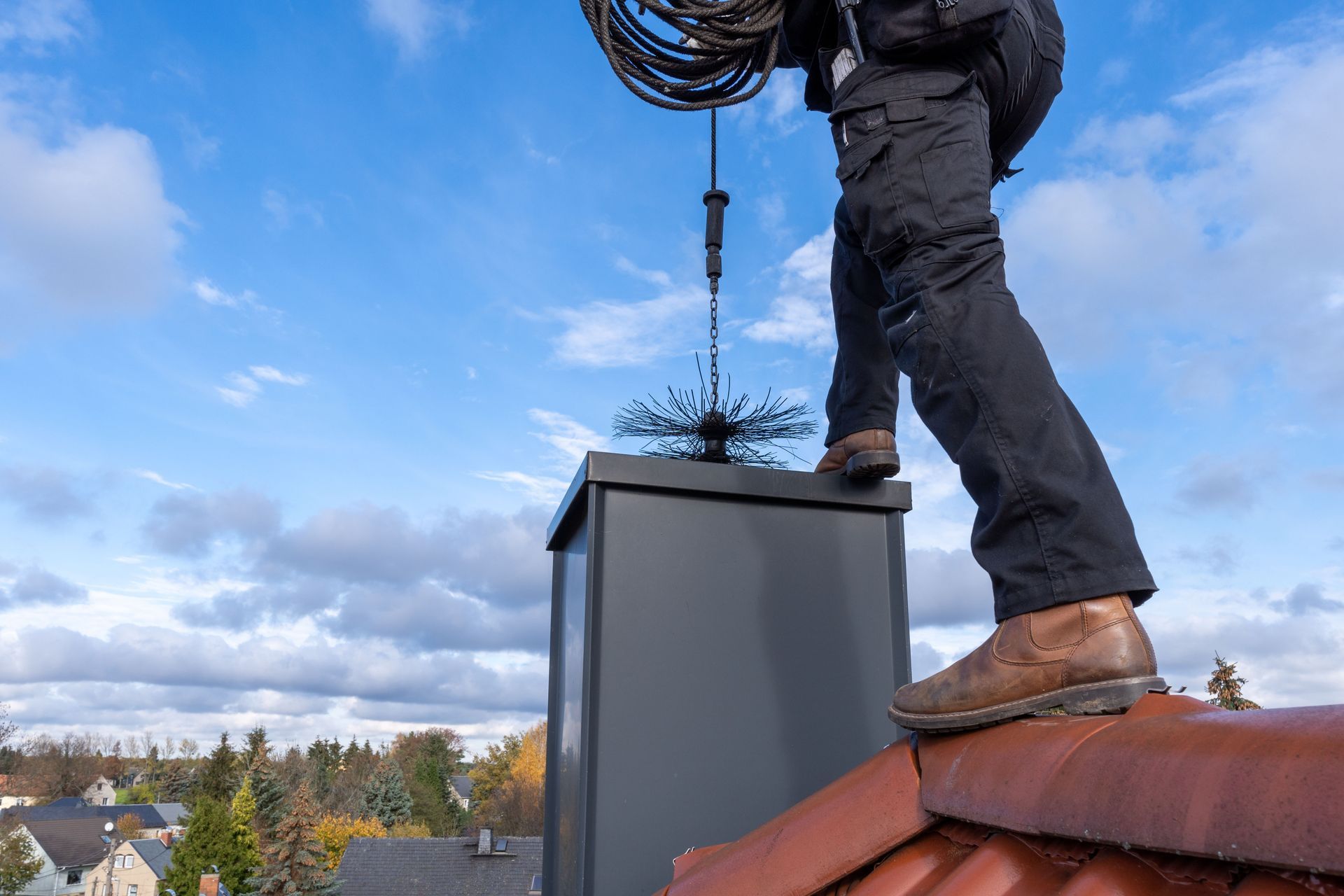
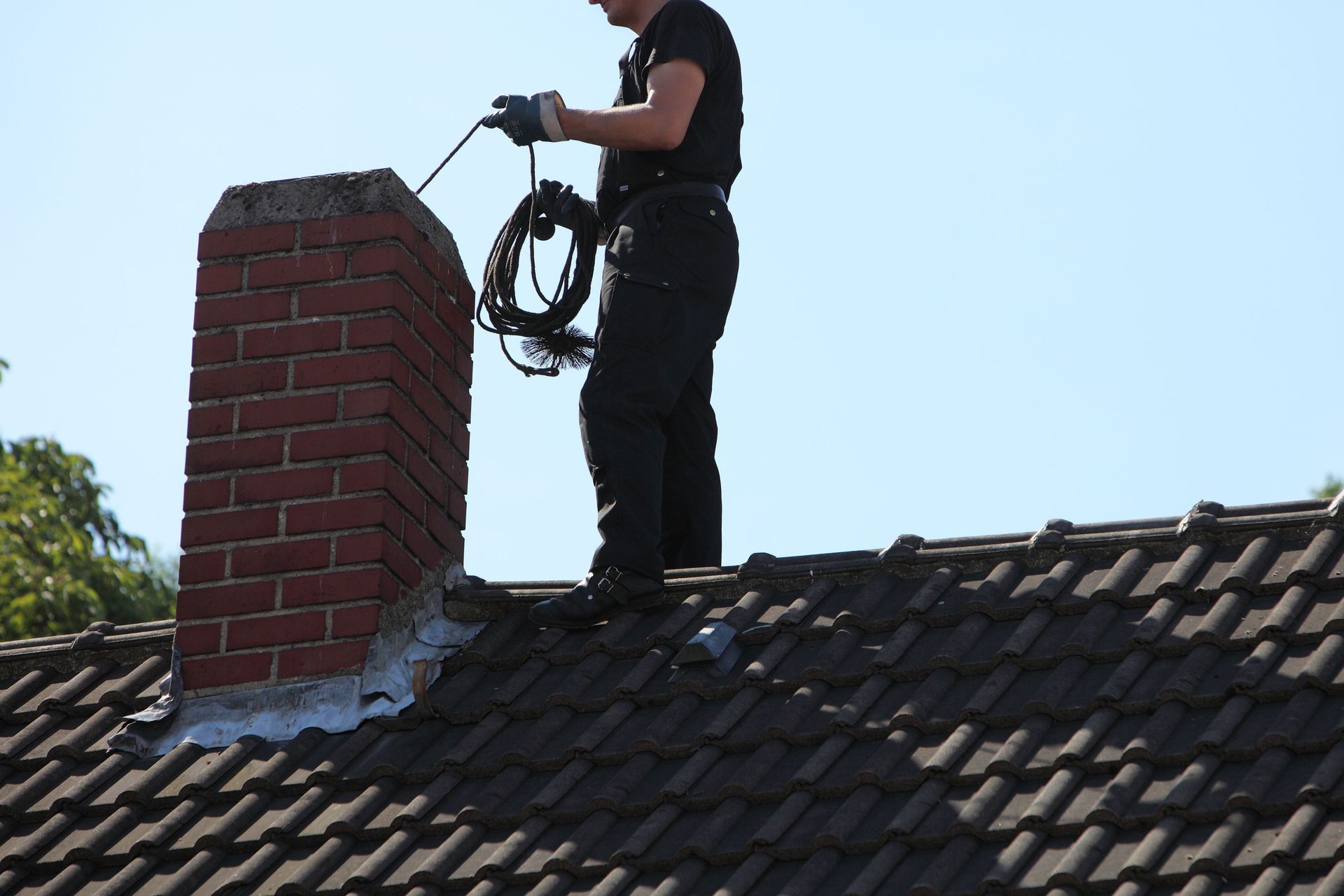
Creosote buildup is one of the most pressing issues in chimney maintenance. As wood burns, it releases gases that condense within the cooler chimney walls, forming a tar-like substance known as creosote. This substance is highly flammable, and its accumulation significantly increases the risk of chimney fires. Regular and thorough cleaning is the most effective measure to prevent creosote accumulation. Trained professionals utilize both manual and mechanical methods to eliminate this hazardous material, ensuring a safe chimney operation.
Clearing Out Animal Nests and Seasonal Debris
Nests and debris are common culprits in obstructing chimneys, posing both safety and functional challenges. Birds, squirrels, and other wildlife often seek refuge in chimneys, leading to blockages. These obstructions can prevent smoke from exiting properly, posing a potential carbon monoxide hazard inside the home. Professional chimney services use specialized tools and humane practices to safely remove these nests and any associated debris. Clearing these obstructions helps ensure proper airflow and reduces the risk of harmful gas accumulation.
Cleaning and Maintaining Chimney Caps and Flashing
The function and condition of chimney caps and flashing are integral to the chimney system. The chimney cap, which rests atop the chimney, prevents moisture, debris, and animals from entering. Flashing, meanwhile, seals the joints between the chimney and roof, keeping water from seeping into these vulnerable junctions. Over time, caps and flashing can become corroded or detached, leading to water ingress. Proper cleaning and maintenance can prevent these components from falling into disrepair, ensuring they fulfill their protective roles effectively.
Utilizing Specialized Rotary Brushes and Vacuum Tools
The arsenal of tools available to chimney professionals is extensive and sophisticated. These tools allow for thorough cleaning and maintenance, ensuring that the chimney remains in optimal working order. Brushes and rods are fundamental to soot removal, yet modern additions like rotary power cleaners and vacuums further enhance efficiency. Advanced equipment such as high-resolution cameras helps ensure no creosote deposits or debris are missed. Investing in expert chimney services ensures these specialized cleaning tools preserve your chimney components without causing damage.
Applying Breathable Waterproofing Sealants Against Winter Moisture
Waterproofing is a crucial step in protecting your chimney from harsh winter weather. Chimneys, though robust, are susceptible to water damage that can erode materials over time. Damaged mortar, bricks, and metal components can all result from neglected water protection measures. Professionals apply specialized waterproofing solutions that repel moisture while allowing the structure to breathe. This protective barrier is essential in freezing climates, where moisture trapped in masonry can expand and contract, leading to cracking.
Completing Critical Masonry Repairs and Structural Restoration
Restoring Deteriorated Mortar Joints Through Precision Tuckpointing
Tuckpointing is a vital part of chimney maintenance that involves repairing the mortar joints between bricks. Over time, weather exposure causes mortar to deteriorate, leading to structural weaknesses within the chimney. Effective tuckpointing replaces old, crumbling mortar with new material, which fortifies the structural integrity of the chimney. Relying on skilled chimney services for masonry restoration prevents severe hazards such as tilting or collapse. By restoring the mortar, a chimney becomes more resistant to the freeze-thaw cycle prevalent in winter months.
Repairing and Replacing Damaged Chimney Flue Liners
The chimney liner is an integral component that protects structural components from heat and corrosive byproducts of combustion. Liners play a vital role in preventing heat transfer to combustibles surrounding the chimney structure. Over time, liners may wear, crack, or become damaged, compromising their protective function. Replacing or repairing damaged liners is essential in maintaining safe operation and prolonging the chimney's lifespan. Scheduling professional chimney services ensures thorough liner inspections, so you receive timely, code-compliant repairs.
Preparing your fireplace and flue before freezing weather arrives is the smartest way to protect your home against fire hazards, carbon monoxide leaks, and costly masonry damage. From camera-assisted inspections and creosote sweeping to waterproofing and liner restoration, comprehensive chimney services keep your heating system operating safely and efficiently all season long. Taking proactive steps today guarantees warmth, safety, and peace of mind every time you light a fire this winter.
Keep your family warm and your fireplace safe all winter long by contacting Barry John Chimney Services Inc. today to schedule your seasonal inspection and cleaning!