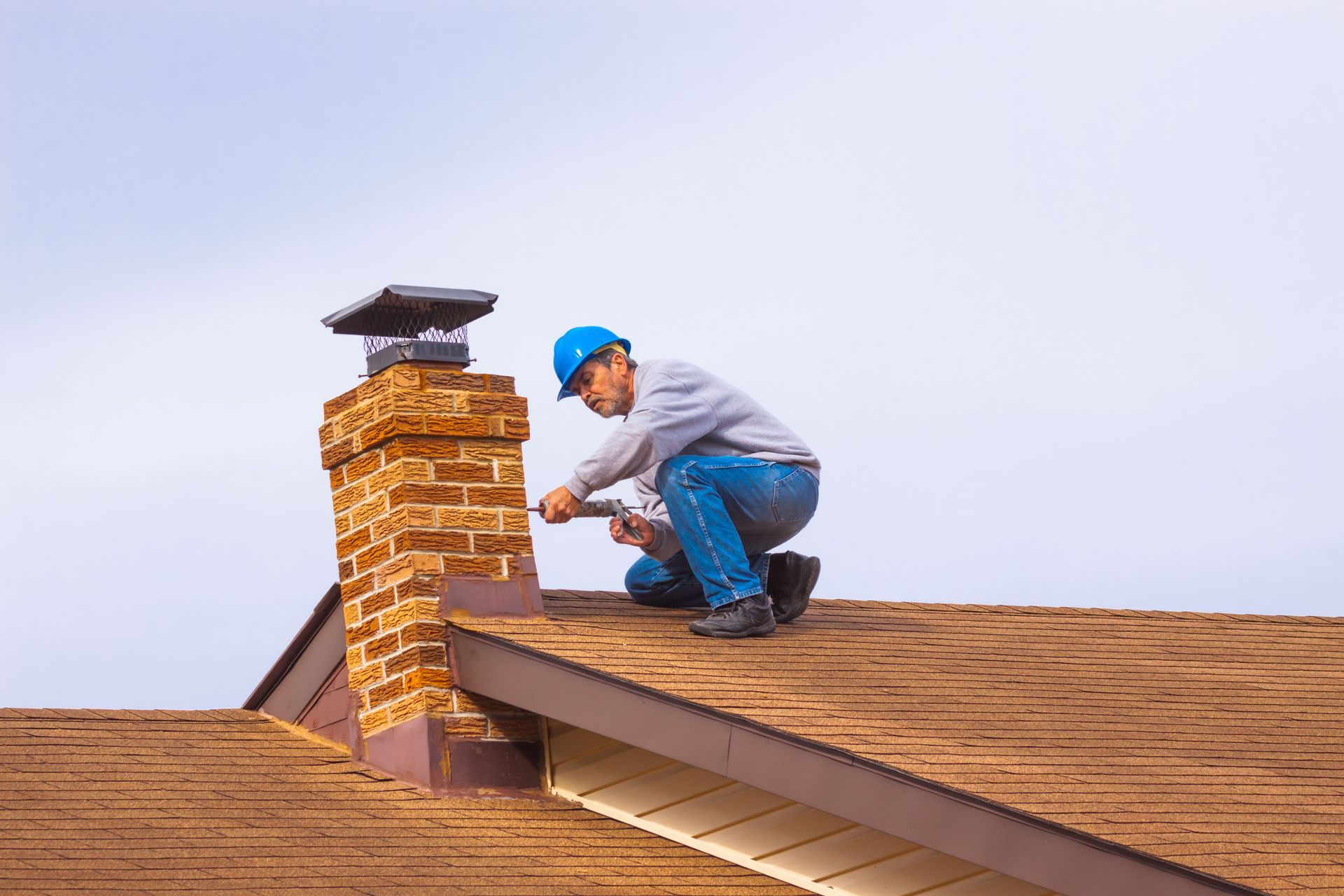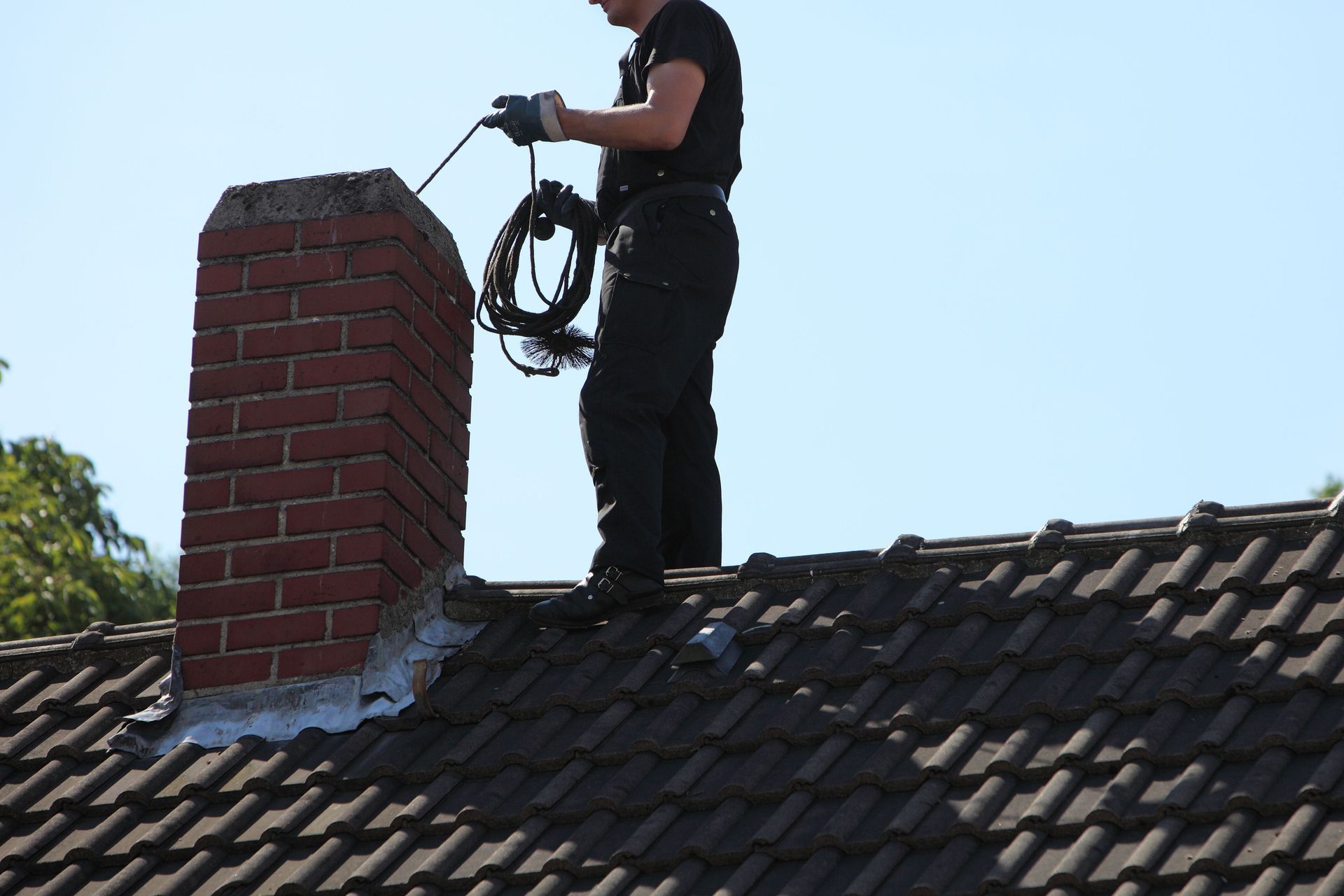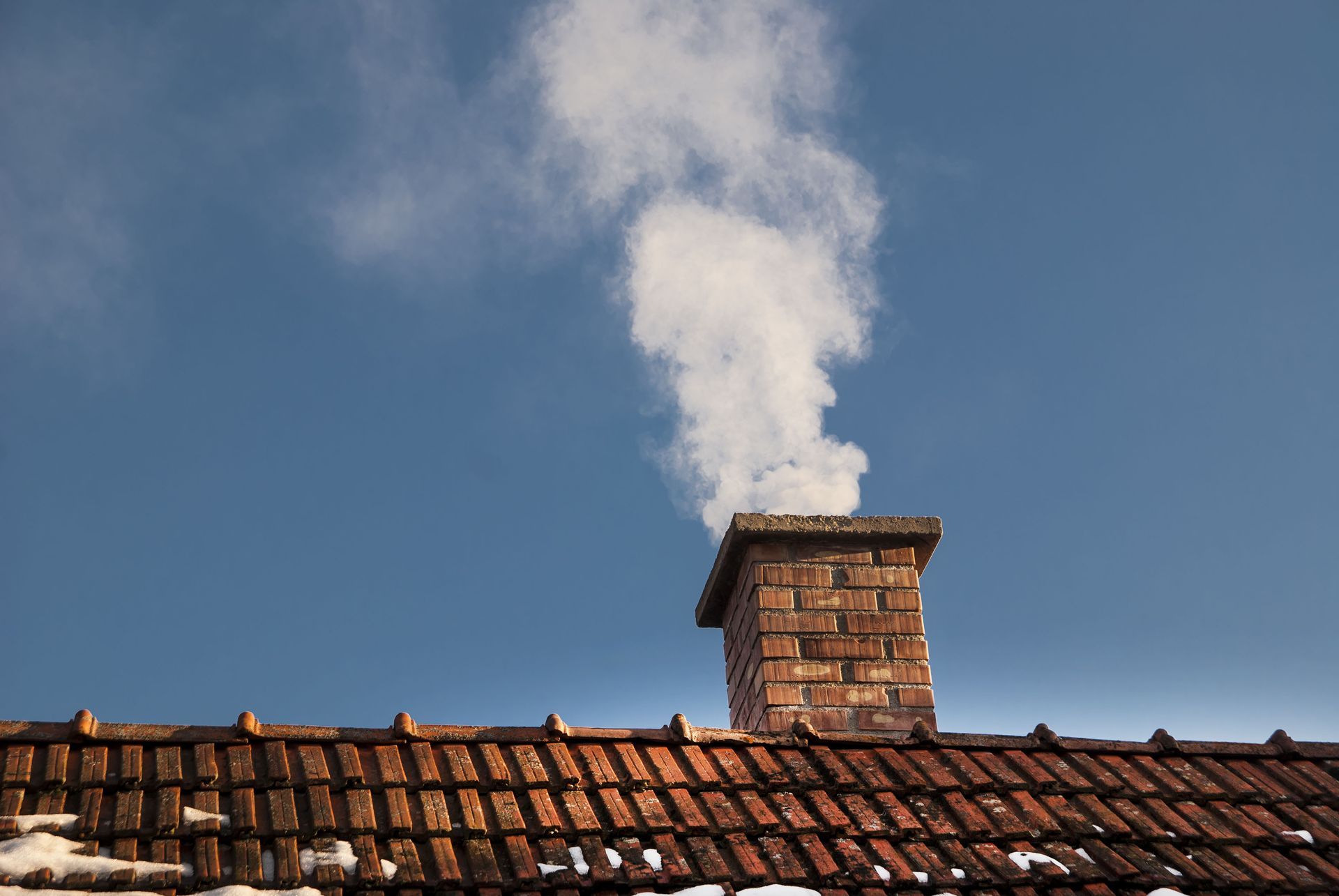
The structure of a chimney, though often unnoticed, plays a crucial role in a home's heating system. Its primary functions include venting smoke, fumes, and dangerous gases out of the house, thus ensuring a safe and comfortable environment. Small damages such as cracks in the chimney crown or liner might seem insignificant initially, but if neglected, they can escalate into extensive and costly chimney repair projects. These issues compromise not only the structural integrity of the chimney but also the overall safety of the home. Let's dive into how seemingly minor damages can evolve into significant problems.
Escalation of Cosmetic Problems
Ignoring minor damage in chimney structures can lead to a snowball effect of aesthetic problems. Cracks and blemishes left without repairs can expand, creating larger cosmetic issues that detract from a home's appearance. Over time, these issues could necessitate larger repairs that alter the chimney or the home exterior's look. Cosmetic deterioration can influence a home's market value, thus stressing the importance of timely chimney repair. Maintaining chimney aesthetics isn't just about looks but also about long-term preservation.
Beyond immediate visual flaws, surface cracks allow environmental elements like frost and vegetation to gain a foothold. Moss, lichen, and freeze-thaw cycles further compromise exterior mortar joints, causing rapid scaling and unsightly discoloration across the brickwork. What begins as a hairline fracture soon requires full exterior masonry rebuilding to restore the chimney's original appeal.
Potential for Water Damage
Water intrusion is one of the major hidden dangers of leaving chimney cracks unaddressed. Once inside, water can cause significant damage to a chimney's structure by weakening mortar and spalling bricks. This moisture penetration leads to further structural compromises and indoor water damage. According to Dataintelo, North America led all regions in chimney repair services, with a revenue of $5.9 billion in 2025, capturing 39.9% of the global market. This fact underscores the widespread nature of damage from neglected chimney issues, including those caused by water.
When water trickles deeper past the exterior brickwork, it often seeps into adjacent home interiors, damaging framing, drywall, ceilings, and insulation. Persistent damp conditions create an ideal environment for toxic mold and mildew growth within wall cavities, compounding structural repairs with costly remediation. Installing a high-quality chimney cap and sealing crown fractures early remains the most effective defense against extensive internal moisture destruction.
Fire Hazards From Unchecked Liner Issues
Unchecked liner issues significantly increase the risk of chimney fires. Cracks and gaps in the liner allow flames and heat to reach combustible areas, potentially igniting a fire within the home structure. As creosote, a flammable byproduct of burning wood, builds up, the probability of fire escalates further. Vigilant detection and repair of liner damages are critical to safeguard against such devastating hazards. Homeowners must remain proactive in addressing liner integrity.
Thermal stress from routine fireplace usage causes unmaintained flue tiles to shift or shatter over time, opening direct pathways for heat to contact wooden house framing. When high temperatures ignite built-up creosote inside a compromised liner, we've found that flue temperatures can quickly exceed 2,000 degrees Fahrenheit, turning an isolated flue fire into a catastrophic home blaze within minutes. Routine video scanning during annual inspections is necessary to catch subtle liner fractures before heat exposure leads to containment failure.
Impact on Home Insurance
Neglected chimney maintenance can influence home insurance coverage and premiums. If a home suffers damage due to preventable chimney issues, insurers may deem the claims invalid due to lack of maintenance. Consequently, homeowners may find themselves bearing financial burdens from damage repairs directly. Additionally, repeated claims related to chimney issues may lead insurers to increase policy premiums. Ensuring regular maintenance and chimney repair can protect homeowners from insurance complications.
Insurance adjusters routinely examine flue and masonry conditions following structural fires or water leaks to establish the root cause. If findings indicate that long-standing neglect or lack of basic maintenance led to the failure, the insurer holds policy contractual grounds to deny coverage entirely. Maintaining complete records of professional inspections and chimney repairs provides essential documentation to prove due diligence in the event of an unexpected claim.
Reduction in Home Value
A poorly maintained chimney significantly impacts a home's market value. Potential buyers are often reluctant to purchase homes with obvious structural issues, foreseeing high repair costs post-purchase. Visible evidence of neglect such as chimney cracks can act as red flags or negotiation points for reduced prices. Conversely, a well-maintained chimney adds value and enhances buyer confidence in a property's integrity. Homeowners should view chimney care as a vital step in protecting and promoting their home investment.
Home inspectors routinely tag chimney defects during pre-sale evaluations, often forcing sellers to offer substantial financial concessions or complete urgent repairs prior to closing. A neglected fireplace assembly can stall real estate transactions or lower a home's final sale price far beyond the cost of basic preventative upkeep. Proactive maintenance preserves curb appeal and ensures the property retains maximum market value when listed.
Risks of Toxic Gas Leakage and Indoor Pollution
A damaged flue liner or obstructed chimney shaft severely compromises the system's ability to pull dangerous combustion byproducts out of the living space. Cracks in the flue allow toxic gases, which are most notably odorless, colorless carbon monoxide, to seep through walls and enter bedrooms or living quarters. Exposure to these gases poses severe health risks, ranging from chronic headaches and dizziness to fatal carbon monoxide poisoning.
Beyond carbon monoxide, compromised chimneys can vent toxic particulate matter, sulfur dioxide, and hydrocarbons back into the home's indoor air supply. Soot accumulation combined with improper airflow leads to back drafting, where fumes spill into the room rather than exiting top-side. Ensuring an airtight, fully intact flue lining is critical to maintaining safe indoor air quality for occupants.
Degradation of Heating Efficiency and Draft Performance
When a chimney develops cracks, gaps, or internal deterioration, the precise pressure differential required for proper draft performance is lost. Cold external air leaks into the flue through cracks, cooling rising flue gases and weakening the thermal stack effect. This reduction in draft causes fuel to burn inefficiently, producing less heat output while consuming substantially more firewood or fuel.
In addition to increased fuel consumption, poor draft dynamics accelerate the accumulation of heavy creosote deposits along the flue walls. Incomplete combustion forces fuel vapors to condense quickly against cooled masonry surfaces. Restoring proper structural sealing ensures optimal airflow efficiency, lowering heating costs and reducing hazardous residue accumulation.
Comprehensive Inspection Protocols and Preventive Care
Preventive chimney care relies on systematic professional inspections categorized by industry standards, ranging from basic visual checks to advanced diagnostic scanning. Annual Level 1 inspections confirm basic structural integrity and clearance of obstructions, while Level 2 inspections utilize specialized video equipment to evaluate hidden interior flue surfaces following weather events or operational changes.
Timely execution of minor preventative maintenance, such as applying breathable water repellents, replacing worn chase covers, and sweeping creosote deposits, prevents small defects from ballooning into catastrophic structural failures. Establishing a consistent maintenance routine extends the functional lifespan of the masonry system, protecting both the financial investment and the safety of the household.
Maintaining the integrity of a chimney through vigilance and regular care is crucial. Small damage, such as cracks in the chimney crown or liner, may initially appear inconsequential. However, when overlooked, these minor issues can evolve into a major chimney repair, impacting the safety, efficiency, and value of a home. Regular inspections, timely repairs, and preventive maintenance strategies are vital in mitigating the risks posed by chimney damage. Prioritizing these practices with the help of Barry John Chimney Services Inc ensures both the security and longevity of this essential home structure. Reach out to us today to get started.