June 8, 2026
A warm fire provides comfort during cold winter months. Homeowners gather around the hearth to enjoy the radiant heat. Beneath the cozy atmosphere lurks a hidden danger. Wood combustion produces smoke, soot, and chemical byproducts. These substances rise through the flue and cling to the interior masonry walls. Over time, continuous accumulation transforms a safe heating source into a severe hazard. Ignoring this buildup creates an environment ripe for disaster. Combustible materials layer upon each other with every fire. The beauty of a roaring fire masks the deterioration occurring within the exhaust system.
Maintaining a secure residence requires routine inspection of heating systems. Wood-burning stoves and traditional fireplaces demand specific attention. A professional chimney cleaner possesses the skills to identify hidden risks inside the dark flue. Without proper maintenance, thick layers of residue ignite with intense heat. Families face devastating consequences when flames escape the masonry and reach the house framework. Preventative measures eliminate the threat before a crisis occurs. Ignorance of flue conditions leads to catastrophic property loss and severe injuries.
Understanding How Creosote Buildup Causes Unseen Dangers
The primary culprit behind flue fires is creosote. When wood burns, it releases gases and unburned carbon particles. As these elements ascend, they meet cooler air near the top of the flue shaft. Condensation occurs, leaving a sticky, dark residue on the surrounding walls. This combustible material increases when burning wet or unseasoned wood. The moisture in green wood accelerates hazardous condensation.
Creosote appears in multiple forms, presenting unique challenges for removal. The initial stage resembles a flaky soot that brushes away with minimal effort. As layers accumulate, the substance hardens into a thick, tar-like glaze. This hardened glaze contains concentrated fuel ready for ignition. A stray spark from the firebox can ignite this material. The glaze resists standard sweeping methods and requires specialized chemical treatments.
Once ignited, a creosote fire burns with intense ferocity. The flames reach temperatures capable of cracking clay liners and melting metal components. The intense draft pulls oxygen into the inferno, feeding the rapid air currents. According to DHR, with over 25,000 chimney fires taking place every year, the US Fire Administration lists heating equipment as the second most frequent cause of all home fires. Neighbors notice flames shooting from the top.
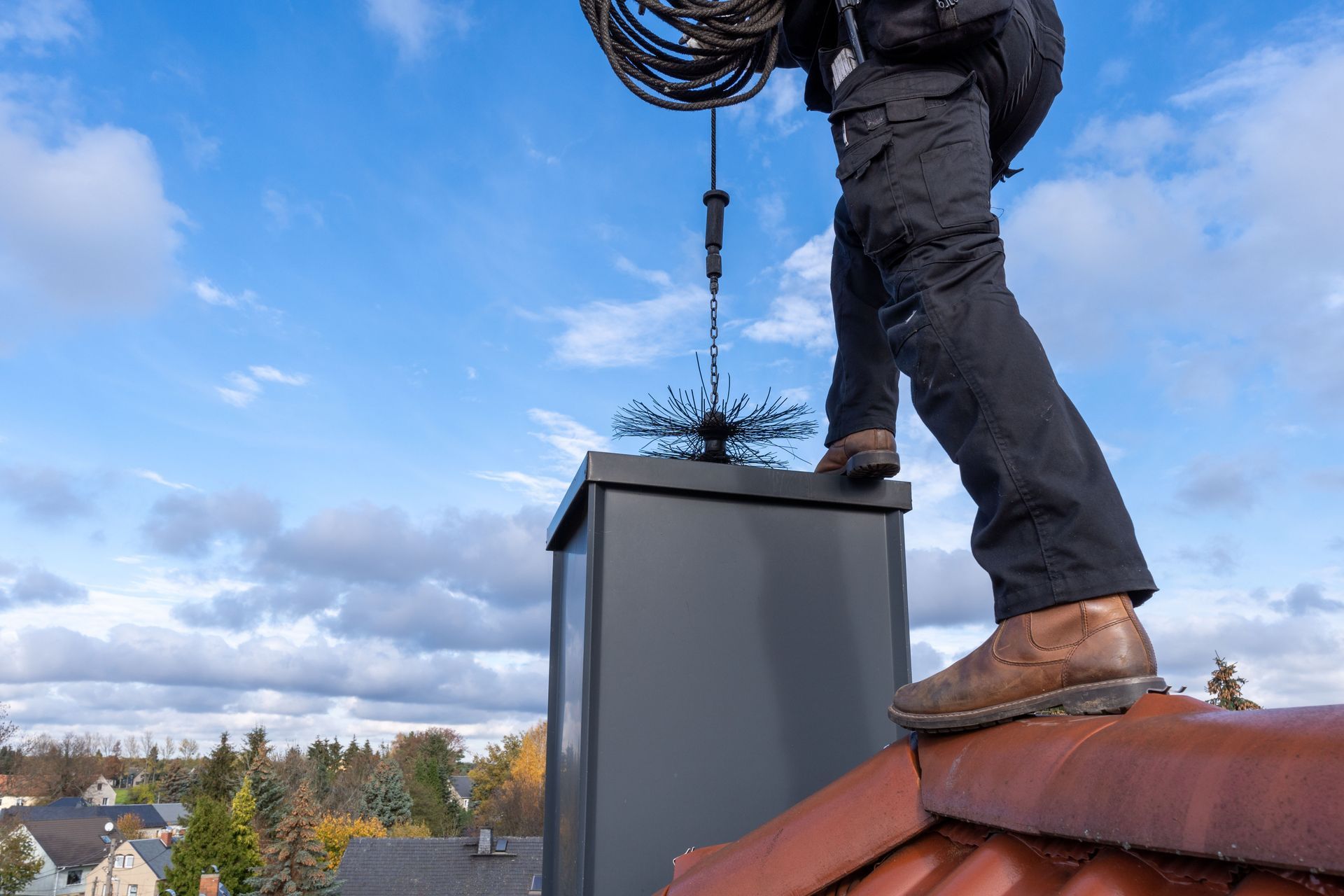
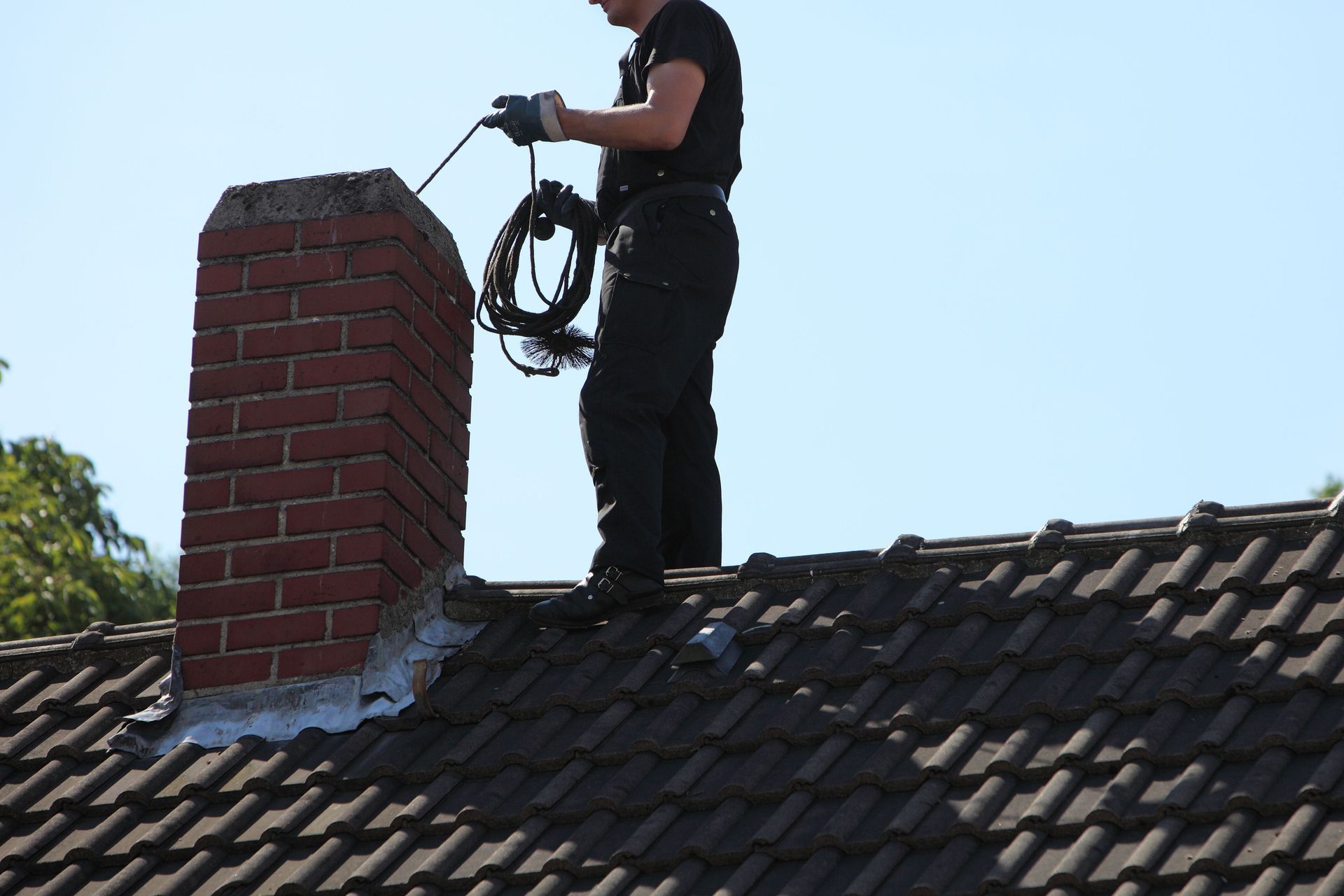
Hiring an experienced chimney cleaner eliminates this specific risk. These experts use specialized brushes and heavy-duty scraping tools to remove creosote. Removing the fuel source prevents stray sparks from triggering a catastrophic event. Routine sweeping keeps the flue interior clean and safe for continuous use. Professionals apply chemical modifiers to break down hardened glaze. The thorough removal process leaves bare masonry behind.
Recognizing How Debris Blockages Create Dangerous Airflow
Flues require an unobstructed path to vent smoke and toxic gases. Animals seek shelter from harsh weather inside warm flues. Birds, raccoons, and squirrels build nests using dry leaves and twigs. These nests restrict the draft and introduce dry fuel into the exhaust system. Removing wildlife requires care to avoid damaging the interior liner or the damper.
Beyond animal nests, environmental debris causes severe blockages within the shaft. High winds blow fallen leaves and broken branches into uncapped flues. Deteriorating bricks and crumbling mortar add heavy obstruction to the narrow passage. When blockages occur, restricted airflow forces extreme heat to remain concentrated within the lower sections of the system. Clearing the debris requires specialized rods.
A blocked flue forces dangerous gases back into the living space. Carbon monoxide presents a lethal threat to the occupants. The lack of a proper draft causes the fire to burn at lower temperatures. Slower combustion produces more smoke, which accelerates further creosote accumulation. Residents might notice a smoky smell permeating the furniture. Protecting indoor air quality requires a clear exhaust system.
A skilled chimney cleaner inspects the vertical shaft for signs of obstruction. They remove abandoned nests, decaying leaves, and fallen debris. Clearing the passage restores proper draft, ensuring toxic gases exit the home. A clear flue protects families from fire hazards and prolonged gas exposure. The sweeping process involves heavy vacuums to contain the dislodged materials. Keeping the airway clear promotes efficient burning.
Exploring How Structural Damage Increases Severe Risks
Masonry systems endure extreme temperature fluctuations and severe outdoor weather conditions. Moisture penetrates porous brick and aging mortar during heavy rainstorms. Freezing temperatures cause trapped water to expand, which cracks the rigid masonry. These expanding cracks compromise the structural integrity of the venting system. External brickwork begins to lean or crumble. Preventing water intrusion preserves the strength and stability of the system.
Inside the flue, the protective liner serves a critical safety function. The liner prevents intense heat from reaching the combustible framing of the house. Age, moisture, and previous small flue fires cause fragile clay liners to crack and crumble. A damaged liner does not protect against the heat of a roaring fire. Upgrading to a stainless steel liner resolves issues associated with cracked clay tiles.
When a liner fails, heat transfers through the masonry into adjacent wood framing. Pyrolysis occurs, a chemical process where wood dries out and lowers its ignition temperature. In time, structural wood catches fire without direct contact with a flame. This type of house fire remains hidden behind drywall until it spreads. Detecting thermal transfer requires specific knowledge of building science.
Calling a reliable chimney cleaner allows for a thorough structural assessment. Experts use closed-circuit cameras to inspect hidden lengths of the liner. Prompt identification of hairline cracks and missing mortar joints prevents heat transfer into the home framing. Repairing structural damage guarantees the containment of intense heat and toxic smoke. Resurfacing compounds smooth the interior walls and restore safety ratings.
Discovering How Professional Maintenance Ensures Essential Security
Regular maintenance goes beyond basic sweeping and simple visual checks. Comprehensive inspections evaluate every component of the heating system. Professionals check the structural soundness of the exterior brickwork and the foundation. They examine the condition of the concrete crown, metal flashing, and throat damper. Each piece must function correctly to maintain the safety of the household. Repairing the crown sheds water away from the masonry stack.
Installing a cap prevents many common functional problems. A sturdy metal cap keeps rain, snow, and wildlife out of the flue. Without a functional cap, moisture mixes with creosote to form a corrosive acid. This powerful acid destroys mortar joints and rusts cast-iron dampers. A simple cap installation preserves the system from preventable deterioration. Spark arrestors prevent burning embers from landing on the roof.
Homeowners lack the specialized equipment required to perform a thorough evaluation. Sophisticated cameras reveal tiny defects invisible to the naked human eye. Heavy-duty commercial vacuums control fine dust and airborne soot during the sweeping process. Attempting this messy work without proper tools leaves hazardous residues behind and ruins interior furnishings. Precision tools guarantee a meticulous cleaning process and accurate diagnoses of hidden problems.
Relying on a knowledgeable chimney cleaner ensures profound peace of mind. Experts understand complex building codes and regional fire safety regulations. They advise homeowners on safe burning practices and proper seasoned wood selection. Choosing seasoned hardwood reduces creosote production and maximizes the heat output. Expert guidance enhances overall safety and functional efficiency. Consistent care transforms a potential hazard into a secure amenity.
The warmth of a roaring hearth brings immense joy to any home, but safety must remain the absolute priority. Overlooking routine maintenance invites unseen and destructive hazards to grow within the flue. Creosote buildup, animal nests, and failing clay liners create a perfect storm for disaster. Taking proactive steps mitigates these severe risks and protects valuable property. Dedication to upkeep preserves the tradition of indoor wood burning.
Safeguarding a house requires consistent professional intervention and detailed inspections. Scheduling a dedicated service provider ensures the complete removal of combustible materials. Clean flues operate at peak efficiency and contain extreme heat within the masonry bounds. Responsible homeowners prioritize these routine evaluations to enjoy fireplaces without persistent fear. Let safety guide every decision regarding indoor heating. Protect your home from hidden fire hazards by scheduling a professional chimney cleaner with Barry John Chimney Services Inc. today. Reach out to our experienced team to secure your peace of mind and ensure your hearth remains a safe source of comfort all season long.